Laboratory news

Generic placeholder image

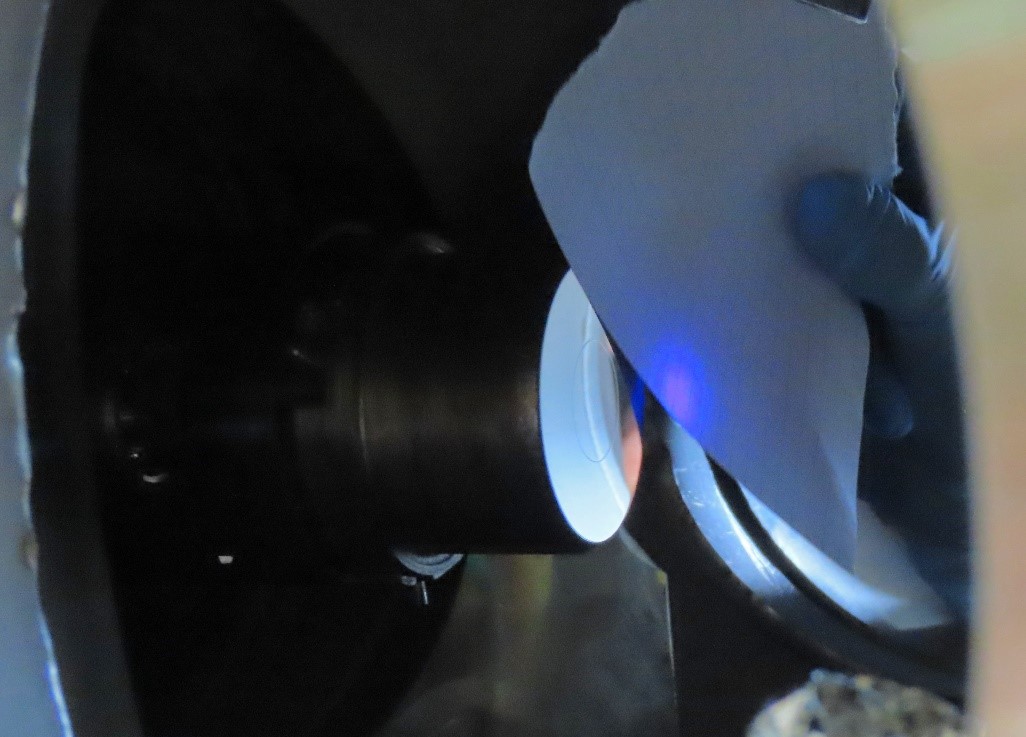
New robust photocathodes for the ELSA linear electron accelerator

New irradiation and performance requirements applicable to ELSA call for an evolution of the photocathodes in operation. The previous Cs₃Sb photocathodes have been replaced by new Cs₂Te photocathodes and the frequency of the laser illuminating them has been doubled accordingly, shifting the wavelength of the latter from the green to the UV range. The choice of a new cathode emissive material enables an extension its lifespan while maintaining comparable beam currents in spite of the lower laser power resulting from the frequency doubling.
Generic placeholder image

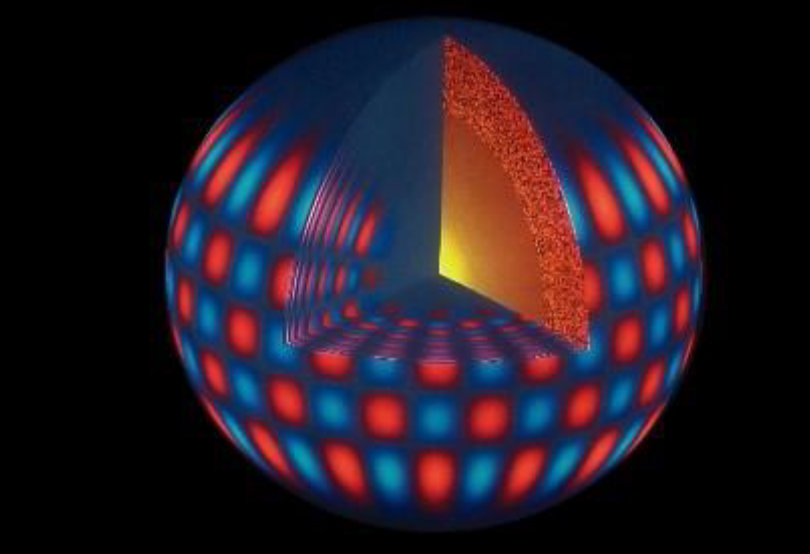
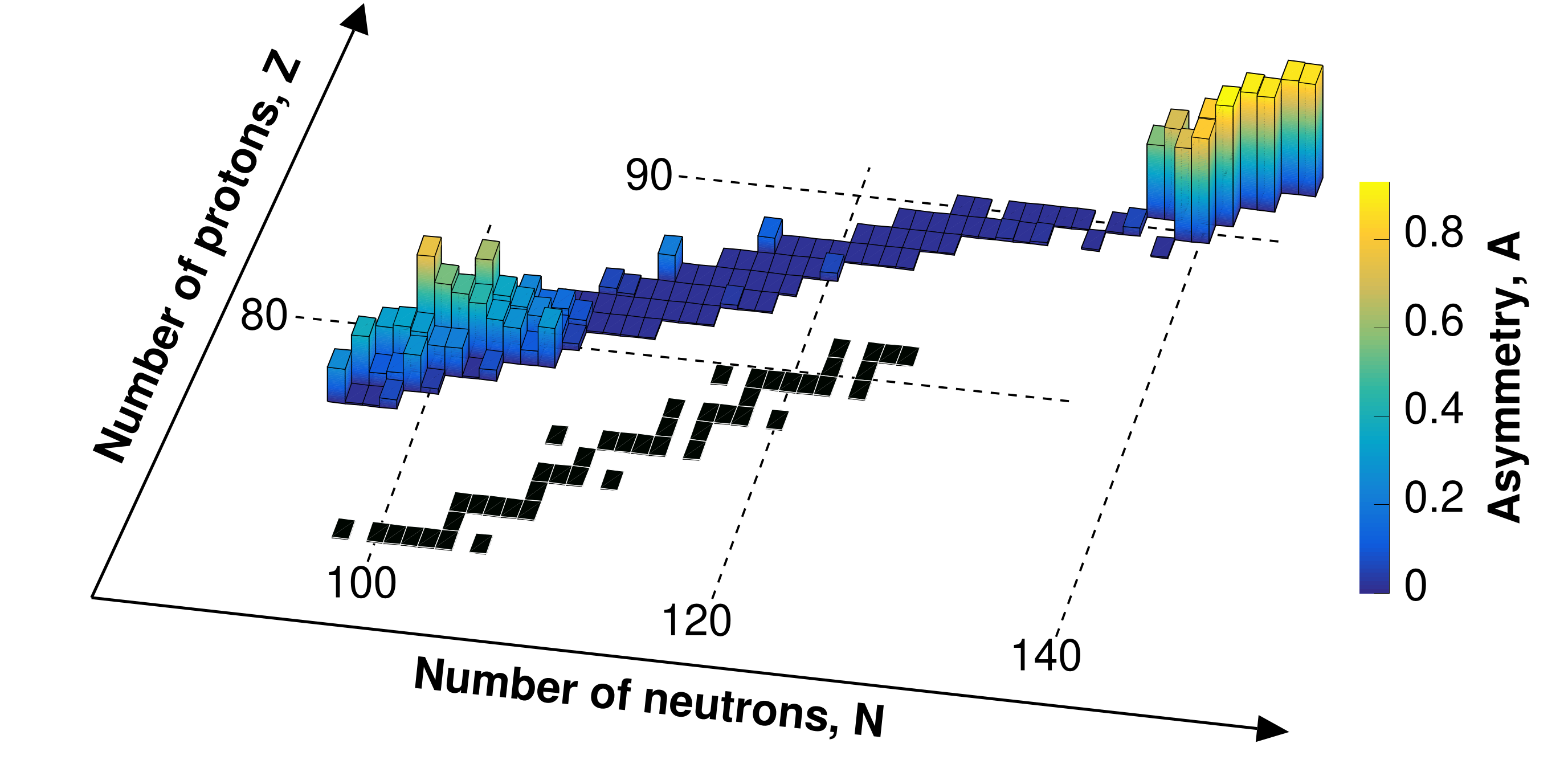
An island of exotic asymetric fission

A pioneering measurement campaign has enabled the systematic mapping of the asymmetry between fragments produced in nuclear fission. Two “islands” of predominantly asymmetric fission have been identified as a function of the parent nucleus. The one in the lower-left corresponds to recently discovered asymmetric fissions in the mercury region (Z = 80). Our study shows that this type of fission is favored by the presence of a light krypton fragment (Z = 36). These results were published in Nature.

P. Morfouace et al., Nature 641 (2025).

Generic placeholder image

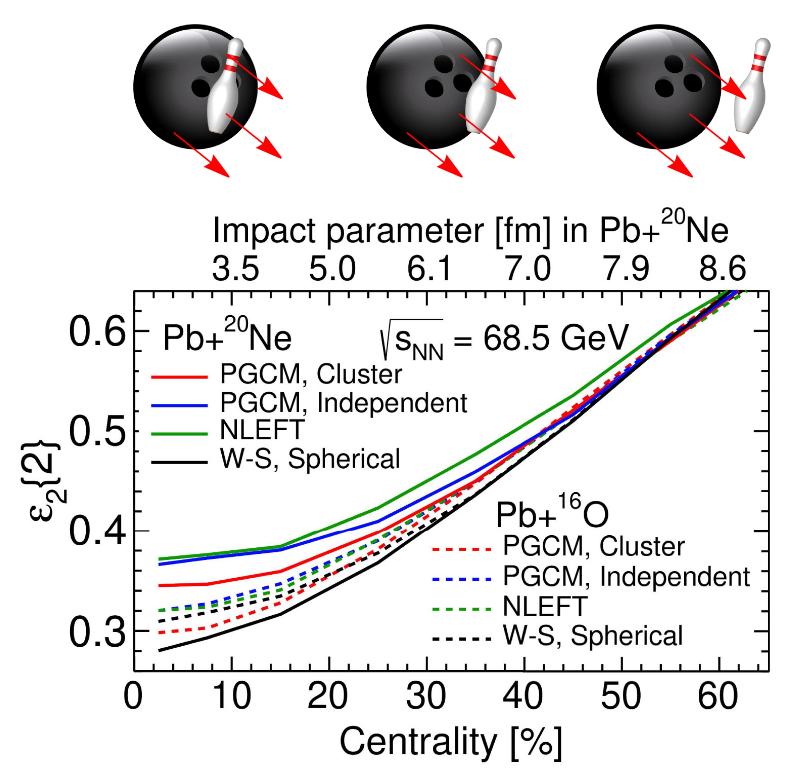
Probing nuclear shapes with relativistic energies ion-ion collisions

The SMOG2 system of the LHCb detector enables the study of fixed-target ion–ion collisions at relativistic energies (~100 GeV). 3+1D hydrodynamic simulations, based on ab initio calculations of the ¹⁶O and ²⁰Ne nuclear structures, predict that the deformed shape of ²⁰Ne strongly enhances the elliptic flow (v₂) in Pb+Ne collisions compared to Pb+O. This sensitivity to nuclear geometry demonstrates that SMOG2 is a unique tool to probe nuclear shapes experimentally and to study quark–gluon plasma formation in a novel collision regime. The paper related to this work is available here: G. Giacalone et al., Phys. Rev. Lett. 134 (2025)